


Canadian and Design Construction writer
Aecon Group Inc. and Arctic Gateway Group, an Indigenous and community-owned infrastructure company, have signed a Memorandum of Understanding (MOU) to collaborate on potential development projects at the Port of Churchill and the Hudson Bay Railway in Manitoba.
The agreement, announced in a joint statement last week, is a framework for the two organizations to jointly pursue infrastructure opportunities tied to the northern transportation corridor. The collaboration is expected to combine Aecon’s construction and infrastructure expertise with AGG’s Indigenous and northern economic development mandate.
A key focus will be maximizing employment, training, and business opportunities for Indigenous and northern communities as development proceeds. Both companies say the initiative aligns with broader reconciliation goals and Indigenous participation in major infrastructure projects through community ownership and leadership.
“Aecon is proud to partner with Arctic Gateway Group through this collaboration agreement,” said Jean-Louis Servranckx, President and CEO of Aecon Group Inc.. “We are bringing Aecon’s multidisciplinary expertise to explore infrastructure solutions that support Indigenous-led development, economic reconciliation, trade diversification, access to new markets and Arctic security.”
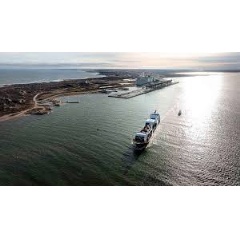
The Port of Churchill—Canada’s only deep-water northern seaport with direct rail access to the continental network via the Hudson Bay Railway—is operated by AGG. The organization is owned by 29 First Nations and 12 remote northern Manitoba communities.
Chris Avery, President and CEO of Arctic Gateway Group, said the partnership will strengthen infrastructure planning for the region.
“This partnership with Aecon will help supercharge Arctic Gateway’s infrastructure planning,” Avery said, pointing to plans for expanded terminal capacity, potential year-round operations, and upgrades to the rail line to meet modern industrial standards.
Both companies say the collaboration aims to strengthen the long-term economic viability of the corridor while ensuring Indigenous and northern communities remain central beneficiaries of future development.

